Prepare to be enlightened as we journey with Dr. Lara May through the transformative world of functional medicine. Dr. May expertly unveils how addressing the root causes of illness and understanding the body’s interconnected systems can lead to lasting wellness instead of merely treating symptoms.
Navigating the complexities of clinical studies, this conversation is an eye-opener about the challenges in evidencing the effectiveness of less conventional treatments, which often escape the grasp of randomized, placebo-controlled trials. Dr. May and I dissect the reasons behind these limitations, particularly the financial disincentives associated with studying non-patentable treatments like lifestyle changes. We also confront the need for a more nuanced approach to patient care that considers the individuality of each person’s health journey and the intrinsic value in therapies that mainstream research may overlook.
This episode calls on you to take the reins of your health by integrating mindfulness, movement, and sleep into your daily routine. It isn’t just good advice; it’s a pathway to transforming your life. Together, we lay out a blueprint for a health narrative that’s hopeful and actionable, urging you to embark on a 90-day challenge that could radically shift your path to vitality. For anyone ready to author their health story, this episode is your invitation to a community that champions proactive living and self-empowerment.
Back pain affects millions of people worldwide. Unfortunately, the causes vary, as do the treatments. If there were one way of fixing back pain, we’d all be using it. However, some great minds are working on this and trying to find the most effective, i.e., what works for most people most of the time. This post explores three science-backed exercises recommended by Dr. Stu McGill, a back pain expert with over 20 years of experience that can help you reclaim your well-being.
Forget Weak Muscles: The Power of Core Stability
Dr. McGill challenges the common misconception that weak back muscles are the root of all back pain. Even Olympic athletes, with their impressive strength, can experience back pain. He emphasizes core stability, focusing on fine motor control and stiffness in the back as crucial factors for managing and preventing pain.
Building Stiffness, But Not the Bad Kind
Don’t be scared of “stiffness” in this context. It’s not about rigidity but about controlled tension. By practicing specific exercises that engage the muscles, you gain better control over your vertebral segments, reducing the risk of awkward movements that can irritate your back. However, remember that a balanced approach is vital. Tight hips and upper back can contribute to lower back strain, so keeping mobility in these areas is essential. You can check out my YouTube channel or these blog posts for tips on keeping these areas mobile.
Sedentary lifestyles are the enemy of back health. Inactivity weakens muscles and coordination, perpetuating a cycle of weakness and pain. Movement is your friend; even gentle exercise can boost muscle strength and well-being. So, get up, get moving, and feel the difference!
The Curl Up: Engaging Your Core for Control
This first exercise is all about activating those core muscles. Lie on your back with one knee bent and hands on your lower back. Lift your head a few inches off the ground for 10 seconds, avoiding flattening your spine. Breathe sharply to engage your core. Start with 8-10 repetitions, gradually decreasing in subsequent sets because you train the nervous system that tires rapidly.
The SidePlank: Building Strength From the Ground Up
This classic exercise comes in two variations recommended by Dr. McGill. The side plank challenges your core and obliques. Lie on your side, elbow under your shoulder, free hand on your hip, and raise your hips so your weight is on the outside of the lower foot and your elbow. Try 30 seconds on each side. If that is challenging, then you can bend your knees and have the weight on your knee and elbow. Hold for 10 seconds on each side, progressing to a straight-legged variation for an extra burn.
The Bird Dog: Unleash Your Inner Hunter
This exercise targets both the core and spinal muscles. Start on all fours with a neutral back. Kick one leg out behind you and extend the opposite arm forward, keeping your back flat. Hold for 10 seconds, controlling your pelvic movements with your core. Repeat ten times on each side, gradually reducing repetitions as you gain strength.
Finding Your Path to Relief: Beyond These Exercises
While these exercises are proven to be effective for many, remember everyone’s body is unique. If they don’t work for you, explore other options like the Alexander Technique or yoga. These exercises would constitute the beginning of a back pain program, and eventually, you would need to utilize the newfound strength and stiffness in more functional upright exercises. These could be things like a rotational ‘wood chop’ or squats. Find what resonates with you and consult a healthcare professional for personalized guidance if you can’t beat the pain yourself.
Conclusion: Take Control of Your Back, Take Control of Your Life
While treating clients with back pain, I’ve seen it rule people’s lives. But it doesn’t have to. By incorporating these science-backed exercises, promoting core stability, and listening to your body, you can find relief, improve your well-being, and get back to doing what you love. Remember, start slow, gradually increase intensity, and don’t hesitate to seek professional help if needed.
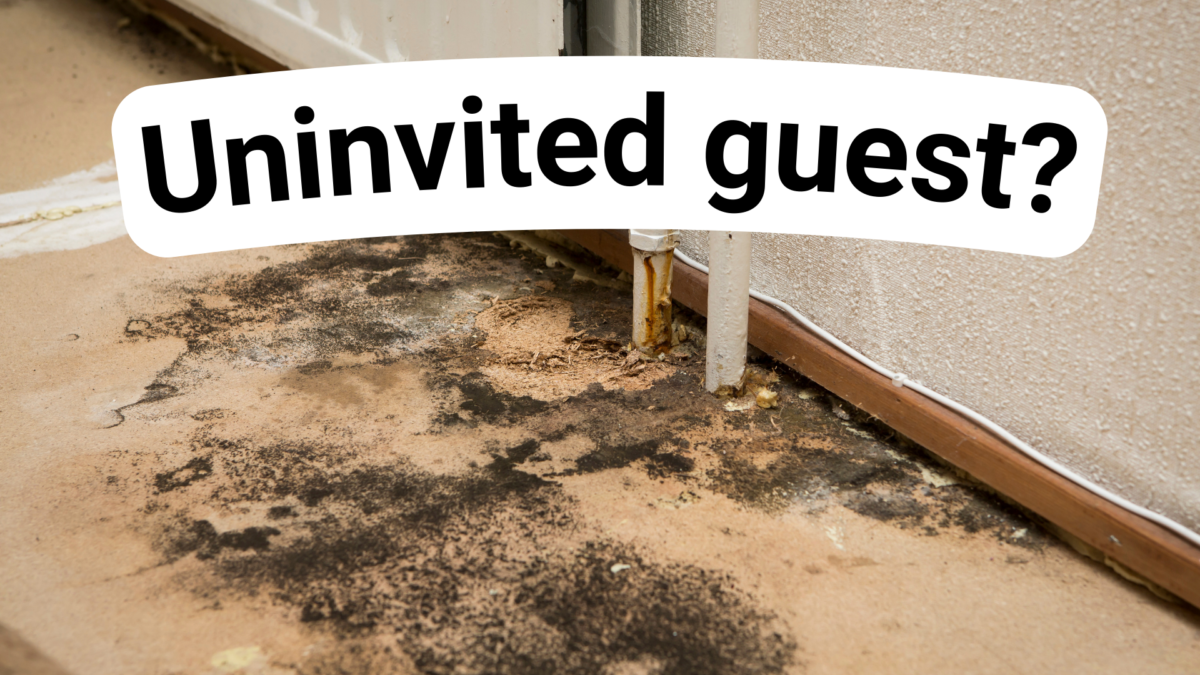
Have you ever noticed a musty odor in your home or seen suspicious black spots on the walls? That might be mold, a fungus that can silently wreak havoc on your health and happiness. While mold plays a vital role outdoors, its indoor presence is unwelcome and potentially harmful. I recently had the pleasure of interviewing Jason Earl from gotmold.com, a mold detection and remediation specialist. Jason is a fount of knowledge on all things mold and is highly enthusiastic about this often misunderstood potential health problem. In this post, I’ll shed light on this often misunderstood “guest,” exploring its impact on your well-being and home and equipping you with the knowledge to keep it at bay.
Mold: Nature’s Decomposer
Imagine mold as a tiny, tenacious scavenger, breaking down organic matter in the soil. This natural process is crucial for our planet’s health. However, when this scavenger finds its way indoors, it transforms into an intruder, thriving in damp environments and releasing its microscopic spores into the air we breathe. These spores, along with mycotoxins and volatile organic compounds, can trigger various health problems, from respiratory issues like allergies and asthma to headaches, fatigue, and even chronic inflammation.
Identifying Mold in Your Home
Don’t wait for serious health concerns to sound the alarm. Be a detective! Watch out for:
Visible mold growth: Black spots, greenish patches, or fuzzy discoloration on walls, ceilings, or furniture.
Musty odors: A persistent damp smell is a red flag.
Mysterious health issues: Symptoms that improve when you leave home, like respiratory problems or sleep disturbances, could indicate mold exposure.
Excess moisture: Damp areas, leaks, condensation, or poor ventilation invite mold to settle in.
Tackling Mold Issues Head-On
If you suspect mold, don’t panic! Take action: Mold needs two things to live: a food source and water, so here’s how to get rid of it.
Identify and fix the moisture source: Leaks, poor drainage, or inadequate ventilation need immediate attention.
Consult certified mold remediation professionals: They can assess the situation and safely remove contaminated materials.
Clean non-porous surfaces: Scrub hard surfaces like wood, metal, and plastic with appropriate cleaning solutions.
Be mindful of your food: Choose organic, locally sourced food to minimize exposure to mold and mycotoxins.
If you have a water leak, you must take action quickly, ideally within the first 24 hours.
Prevention is the Best Policy: Keeping Mold at Bay
Remember, an ounce of prevention is worth a pound of cure! Here are some tips:
Maintain proper ventilation: Open windows and doors regularly to allow fresh air to circulate.
Control humidity levels: Keep indoor humidity below 50% to discourage mold growth.
Address leaks and water damage promptly: Don’t give mold a breeding ground.
Regularly inspect for mold: Check attics, basements, bathrooms, and kitchens often.
Jason and I also talked about mold on our food; I had heard about this but still needed to understand it fully. You see, food can be a significant source of mold exposure, as imported foods often contain mold and mycotoxins due to the length of time they are transported. This is especially true for grains, spices, nuts, and conventional meats. Mold and mycotoxins in food can have cumulative effects on your health and may contribute to various symptoms and conditions. Understanding more about the source of your food and learning how to store food properly by keeping dry goods in airtight containers and promptly discarding moldy food is a great start.
Although mold is as old as the earth itself, when it’s in the wrong place, it really can be a menace, but with knowledge and proactive measures, you can reclaim your home and safeguard your health. So, open the windows, let the sunshine in, watch what you eat, and say goodbye to mold.
To listen to or watch the full episode with Jason, go here: