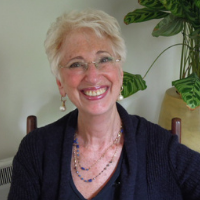
Podcast Episode 64 – Understanding Menopause

Podcast Episode 64 - Katie Lomas

🎙️ Understanding Menopause with Kate Lomas | Episode 64

Menopause is one of the most significant transitions in a woman’s life, yet it's often misunderstood. In this episode, Ed Paget sits down with menopause specialist Kate Lomas to break down the myths, explain what’s really happening during perimenopause and menopause, and discuss how hormones impact everything from bone health and heart health to mood, weight, energy, and longevity.

You'll discover: - The difference between perimenopause and menopause
- Why symptoms can be worse before menopause
- The truth about hormone replacement therapy (HRT)
- Bone health, osteoporosis, and aging well
- Weight gain, metabolism, and hormone changes
- Common myths about breast cancer and HRT
- Practical strategies to support long-term health and vitality

Whether you're navigating this stage yourself or want to better understand what the women in your life are experiencing, this conversation is packed with valuable insights and practical advice.

🎧 Listen to the full episode on your favorite podcast platform.
📺 Watch the full interview on YouTube for the complete conversation.
💬 Have a question or experience with perimenopause or menopause? Share it in the comments—we'd love to hear from you!

Watch the full podcast episode video here  or audio episode.
Podcast Episode 63 – Weight Loss and Menopause with Lisa Franz

Podcast Episode 63 - Lisa Franz

Menopause weight gain can feel unfair, confusing, and strangely stubborn, especially when you swear you’re “not eating that much.” We go straight at that frustration and separate myth from physiology with nutrition and fitness coach Lisa France, founder of Nutrition Coaching and Life, joining me for a clear-eyed conversation about sustainable fat loss for real life. We unpack why crash diets and extreme restriction often backfire, how your body adapts by conserving energy and amplifying hunger, and why “ending a diet” without a plan can set you up for rapid regain. Lisa explains what a moderate calorie deficit looks like, how to find your maintenance calories, and why gradually increasing calories after a fat-loss phase matters for long-term results. We also dig into calorie tracking as an education tool, not a forever rule, plus the role of protein for satiety, muscle retention, and healthy aging. Then we zoom in on the menopause transition. Lisa shares what current research suggests about changes in metabolic rate, fat distribution toward the midsection, and the challenge of building or keeping lean mass, along with a grounded reminder: the basics still apply. Sleep, stress, resistance training, daily movement, fiber, and alcohol intake can become the difference-makers because the body is simply less forgiving. If tracking isn’t your thing, we talk Mediterranean-style eating as a practical, evidence-based template. We close with an honest look at hyper-palatable processed foods, compulsive eating, and low-cost strategies that help you feel full again by leaning on whole foods, hydration, and smart movement. If this conversation helps, subscribe, share it with a friend, and leave a review so more people can find it.
Watch the full podcast episode video here  or audio episode.
Podcast Episode 62 – Blue Light and Your health
Ed Paget
Season: 2
Episode: 62
Cohost AI

Podcast Episode 62 - James Swanwick

Episode Downloads

28

Total

1

Today
Your brain doesn’t know what time it is. It only knows what light it’s seeing. If your nights are filled with bright LEDs and a glowing phone screen, you may be training your body to stay “on” long after sunset, suppressing melatonin and throwing off your circadian rhythm. I sit down with James Swannick, former ESPN anchor and founder of Swannies blue light blocking glasses, to get clear on what blue light actually is, why it’s healthy from the sun during the day, and why artificial blue light at night can be such a sleep killer. We talk about the difference between filtering light in the daytime versus blocking it at night, why lens quality matters, and how many cheap “blue blocker” options don’t truly block the spectrum that impacts sleep. You’ll also hear practical lighting ideas you can use tonight, from lowering overhead lights to creating a warmer bedroom environment. Then the conversation widens into another powerful lever for longevity and mental health: alcohol. James shares how a simple 30-day break from drinking turned into an alcohol-free lifestyle, along with the ripple effects he noticed in weight, mood, focus, relationships, and productivity. We also get into what makes change stick: supportive friends, daily movement like 15,000 steps, coaching, and building a lifestyle that feels like a choice instead of a punishment. If you want better sleep, steadier energy, and a clearer mind, hit play. Subscribe, share this with a friend who scrolls at night, and leave a review on Apple Podcasts so more people can find the show.
Watch the full podcast episode video here  or audio episode.
Podcast Episode 61: Transcranial Brain Stimulation for Optimal Performance
What if cognitive decline isn’t a fate but a feedback problem? We sit down with Sensei founder Paola Tefler to unpack a home neurotechnology platform that reads how your brain processes new information to the millisecond, then uses safe, noninvasive tools to help you focus better, sleep deeper, and recover faster. This isn’t another vague wellness gadget. It’s a closed loop: assess, intervene, reassess—and watch the data move. Paola shares how a car crash and concussion revealed a gap in brain care and sparked eight years of R&D. We get into the nuts and bolts of event‑related potentials from a standardized flanker task, why function beats raw EEG power for everyday performance, and how thousands of sessions across ages fueled a biological brain age clock that approaches MRI models without the cost or friction. Because the signals are upstream of structural change, they’re actionable: you can check your brain age quarterly and see whether training is making you measurably younger, faster, and more efficient. We break down the interventions too. Transcranial photobiomodulation at 810 nm personalizes stimulation around your alpha center frequency—no more one‑size‑fits‑all 10 Hz—while layered binaural beats and targeted meditations steer you toward calm or “ready” states. Neurofeedback translates alpha power and synchrony into responsive sound within ~200 ms, teaching you to enter and stabilize useful states without overthinking. Over time, protocols progress from foundational alpha and beta work to mixed pairings like alpha‑theta and theta‑gamma, building flexibility and resilience rather than a single productivity gear. Paola also walks through third‑party validation with the Buck Institute, the forthcoming Brain Years clinician report, and why motivated consumers and longevity clinics alike are leaning into objective, repeatable brain metrics. If you care about longevity, cognition, attention, sleep, or burnout prevention, this deep dive into EEG, HRV, photobiomodulation, and neurofeedback will shift how you think about brain healthspan—and what you can do about it at home. If you enjoyed the conversation, subscribe, share with a friend who values their mind, and leave a quick review to help others find the show. Watch the full podcast episode video here  or audio episode.