Categories
Blog

How Magnesium helps our immune system?

Did you know that magnesium is an essential mineral for the body? It is involved in more than 300 enzyme systems that regulate diverse biochemical reactions in the body, including protein synthesis, muscle and nerve function, blood glucose control, and blood pressure regulation.

Our bodies use magnesium for energy production, oxidative phosphorylation, and glycolysis. This amazing mineral contributes to the structural development of bone and is required for the synthesis of DNA, RNA, and the, underrated, antioxidant glutathione. It also plays a role in the active transport of calcium and potassium ions across cell membranes, a process that is important to nerve impulse conduction, muscle contraction, and normal heart rhythm.

An adult body contains approximately 25 g of magnesium, with 50% to 60% present in the bones and most of the rest in soft tissues. Less than 1% of total magnesium is in blood serum, and these levels are kept under tight control. The normal serum magnesium concentrations range between 0.75 and 0.95 millimoles (mmol)/L.

However, despite its importance, some studies suggest that approximately 50% of U.S. adults get less than the recommended daily amount of magnesium. (1, 2)

Magnesium deficiency is associated with a variety of diseases, such as infections and cancer. Studies have shown that cancerous growths spread faster in the bodies of mice when the animals received a low-magnesium diet – and that their defense against flu viruses was also impaired. However, there has been little research into exactly how this mineral affects the immune system.

The level of magnesium in the blood is an important factor in the immune system’s ability to tackle pathogens and cancer cells. Researchers have reported that T cells, an essential part of our immune system, need a sufficient quantity of magnesium to operate efficiently. Their findings may have important implications for cancer patients.

How Magnesium helps our immune system? 

According to researchers from the University Hospital Basel the level of magnesium in the blood is an important factor in the immune system’s ability to tackle pathogens and cancer cells. They have reported that T cells need a sufficient quantity of magnesium to operate efficiently and these findings may have important implications for cancer patients. (3).

Potentially important findings for cancer patients

The fact that magnesium is essential for the functioning of T cells may be a highly significant finding for modern cancer immunotherapies. These therapies aim to mobilize the immune system – in particular cytotoxic T cells – to fight cancer cells. In experimental models, the researchers were able to show that the immune response of T cells against cancer cells was strengthened by an increase in the local magnesium concentration in tumors.

They do this by looking for ways to increase the concentration of magnesium in tumors in a targeted manner and using data from previously completed studies of cancer patients, the researchers were able to show that immunotherapies were less effective in patients with insufficient levels of magnesium in their blood.

Whether a regular intake of magnesium impacts the risk of developing cancer is a question that still needs to be answered, new studies are trying to test the clinical effect of magnesium as a catalyst for the immune system.

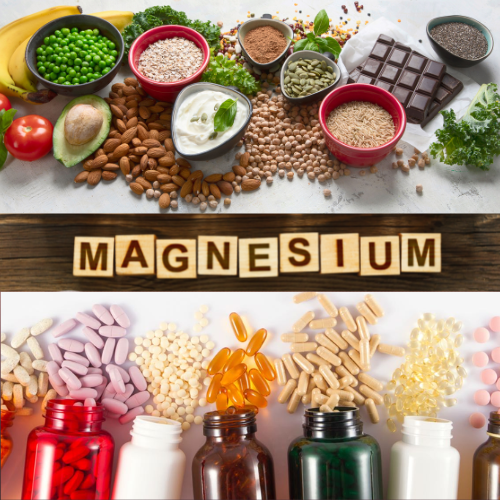
Knowing how important this mineral is for health and our immune systems is enough for me to include magnesium-rich foods in my diet like almonds, spinach, and cacao. I also like to supplement with magnesium and always look for a magnesium complex rather than just one single substrate.

1. https://pubmed.ncbi.nlm.nih.gov/26404370/

  1. https://www.ncbi.nlm.nih.gov/pmc/articles/PMC6316205/
  2. https://www.sciencedaily.com/releases/2022/01/220119121455.htm?_kx=t4If0nOfpNdZ-HC1xYBPDO82IcYl_wFMhDzAApaDTNA%3D.HKMsXE

Categories
Podcasts

Episode 5: Lifestyle problems require lifestyle solutions with Dr. Sally Bell

Welcome to “Your Lifestyle Is Your Medicine”

This is the podcast that explores how a person’s lifestyle can be the key to their health and happiness.

What do you do when you are sick and don’t know the cause of your illness?
Well, like any regular person, you would go to your doctor’s appointment, and in that 10-minute appointment, the doctor might come up with a diagnosis or send you for tests. This can be part of the process, but many people have to wait until they are really sick to fit into a diagnosis. Then they are given medicine to help the symptoms but not treat the cause. But what if you are given medication before you get a clear diagnosis? Can this help or hinder it?

This was the case of Dr. Sally Bell; she is an NHS General Practitioner in the UK with expertise in lifestyle medicine. She has been working as a community doctor for more than 20 years in the UK and Africa and still, today, works part-time in NHS urgent care.

When she suffered health issues, she trusted her doctors but didn’t get the answers she wanted. The medical model that she was taught let her down. This made her look deeper into the root cause of her problems which she managed to heal with lifestyle changes. She is now convinced that there are better solutions to complex and chronic health problems than the conventional medical approach. This led her to undertake more training in Functional Medicine, which opened her eyes to the body’s remarkable ability to heal itself. But, as she now knows, it can only do that if you learn how to create the right conditions.

In today’s episode, Dr. Sally Bell takes us through her journey to cure herself and how she developed the five foundations of well-being. She explains why nutrition, movement, sleep, rest, and connection are the pillars of a healthy life.

Join us and learn why lifestyle problems require lifestyle solutions.

Work with Dr. Sally Bell
Website: https://www.drsallybell.com/home
Instagram: https://www.instagram.com/drsallybell/

Website: www.edpaget.com
email: ed@edpaget.com
Linktree: https://linktr.ee/ed.paget

Thanks for listening! Send me a DM on Facebook or Instagram

Categories
Blog

How can Omega-3s help with back pain and scoliosis?

I think most people have heard of Omega-3 oils.  They are present in food and supplements and are highly beneficial to building and maintaining optimal health. They can be an energy source for cells in our bodies and help keep the heart, lungs, blood vessels, and immune system working at top notch.  For people who are at medium to high risk for heart disease can lower their blood cholesterol levels and reduce the risk of heart attacks and strokes when they add foods that are rich in omega-3 fatty acids as part of their diets.

But I want to look at how these oils can help someone beat back pain and manage the symptoms of scoliosis. 

What are Omega-3s exactly?

What we call Omega-3s are actually a combination of EPA (eicosapentaenoic acid) and DHA (docosahexaenoic acid).  These are long-chain polyunsaturated fatty acids (O-3s) which are abundant in fish, shellfish, some algae, and plant sources such as nuts and seeds. The body needs EPA & DHA omega-3s to develop and function optimally in every stage of life.

Benefits of Omega-3s during menopause

Both the Journal of Affective disorders (2021) and a systemic review of several European studies published by MDPI have shown the potential role of omega-3 fatty acids in the prevention and treatment of emotional disorders and cognitive disorders that come with age.

Women going through menopause experience many physical and mental-emotional changes and are at a higher risk of various chronic diseases and health complaints, including memory problems, cognitive decline, and “brain fog”. They can also experience emotional disorders such as anxiety and depression.  This is also the time when the angle of a scoliotic spine tends to increase. 

Omega-3s and Anxiety

The review included 3 animal studies and one human study that evaluated the effects of omega-3s on anxiety during menopause. The first study showed that fish oil supplementation did have an anti-anxiety effect. The second showed fish oils helped to maintain inflammatory balance along with antidepressant and neuroprotective activities and neuroimmune-modulating actions. While the last study did not find that omega-3 supplementation improved anxiety symptoms over placebo for women during menopause, another meta-analysis using findings from 19 different studies among the general population found that clinical anxiety symptoms were more likely to improve among those who took omega-3 supplements compared to those taking a placebo. The most significant effect was seen for those taking at least 2,000 mg per day of omega-3 fatty acids, and whose omega-3 fatty acid intake was at least 60% EPA.

Omega-3s and Depression

Five animal studies and 9 human studies were included in the review to look at the effect of omega-3 fatty acids on depression during menopause. The animal studies found that supplementation improved several biochemical markers correlating to depression and that daily supplementation produced neuroprotective effects.

Several of the human studies demonstrated that omega-3 supplementation was related to less psychological distress, decreased depressive symptoms, and resulted in significant improvements in depression scores. In one study, that measured omega-3 levels in the body, a significant negative correlation was found, where less depressive symptoms were seen with higher omega-3 levels, however, there were mixed results when looking at all studies combined.  

A separate analysis supports previous findings that omega-3s may be important for treating depression among the general population and found that higher omega-3 levels in the blood were significantly associated with a lower risk of moderately severe to severe depression, especially for those with higher EPA. Depression has been linked to a decrease in pain tolerance.  Or put another way, if you are depressed or show symptoms of depression your perception of pain can be increased.  I see this a lot with people who have back pain and/or scoliosis. The pain itself can cause depression leading to a vicious circle of increased pain,  increased depression, and decreased activity. 

Omega-3s and Cognition

The review also included one animal study and 2 human studies that evaluated cognition during menopause. Positive effects on the brain were observed in the animal studies with omega-3 (specifically DHA) administration. One human study showed improvement in verbal memory and decreased psychomotor response among women taking omega-3 supplements, while the other did not find a significant correlation. A separate study assessing the association between Omega-3 Index, a biomarker of EPA and DHA status, and cognitive decline among older adults, in general, found that those with the highest Omega-3 Index levels (greater than 6.8%) had a 44% lower risk of cognitive impairment compared to participants with the lowest Omega-3 Index levels (less than 5.7%)

So, what does this all mean for you?

Supplementing or getting more omega-3s into your diet can decrease inflammation, decrease symptoms of depression, increase cognition and reduce anxiety. This is particularly noticeable during menopause which is a time when a woman’s body loses some of the protective effects of estrogen. It is also a time when scoliosis is known to increase and a common time for back pain. If you want to take a whole body, mind body spirit approach to beat your pain and manage your symptoms, I recommend increasing omega-3s in your diet.